














TL;DR
After a hospital stay, the next care setting should match the older adult’s real recovery needs. Some people can return home, while others need home health, assisted living, or short-term rehab in skilled nursing.
- What the main post-hospital senior care options are
- How assisted living and skilled nursing differ after discharge
- Signs that short-term rehab may be the safer next step
- Questions to ask before leaving the hospital
What Happens After a Hospital Stay? Senior Care Options Explained
Why The Next Care Setting Matters After A Hospital Stay
A hospital discharge is not just the end of one chapter. It is the start of recovery. After a hospitalization, many older adults are weaker than they were before they went in. They may need help standing up, walking safely, managing medications, eating enough, or getting to follow-up appointments.
CDC STEADI guidance notes that older adults often lose mobility during a hospital stay, which can affect function after discharge and raise fall risk in the first month. Families are often making decisions while tired, worried, and short on time, so a clear understanding of care options matters.
Senior Care After Hospital Stay: The Main Options To Know
The most common options are home, home with services, assisted living, and skilled nursing. The right choice depends on whether the main need is basic follow-up, day-to-day help, or licensed nursing and rehabilitation.
Going home with outpatient follow-up
Going straight home may work when the person is medically stable, can move around safely, and has enough support with meals, medications, and transportation. Follow-up care often happens through office visits or outpatient therapy.
Families should be realistic here. Loving support is not the same as being able to provide hands-on care several times a day. If stairs, fall risk, confusion, or toileting needs are part of the picture, home may not be the easiest option right away.
Going home with home health or added support
Some people are discharged home but still need nursing visits, therapy, or extra help for a period of time. That may include home health, private caregiving, or both. This can be a good middle ground when the person does not need round-the-clock skilled care.
This option works best when the home is reasonably safe, a family caregiver is involved, and the older adult can participate in recovery. Ask exactly who will help with medications, bathing, meals, mobility, and appointments.
Assisted living after a hospital stay

Assisted living can be the right next step when the main need is help with daily living rather than ongoing medical treatment. It can support meals, medication reminders, bathing, dressing, and social connection.
Assisted living is not the same as short-term rehab or skilled nursing. If a person still needs daily nursing oversight, intensive therapy, wound care, or a higher level of clinical support, assisted living may not be the right discharge destination yet.
Skilled nursing and short-term rehabilitation
Skilled nursing is often recommended when an older adult needs licensed nursing care, rehabilitation services, or both after a hospital stay. Medicare describes skilled nursing care as care that must be provided safely and effectively by, or under the supervision of, professional or technical personnel.
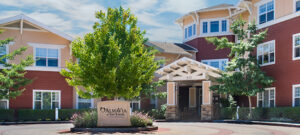
For families facing a discharge after surgery, illness, injury, or a major setback, short-term rehabilitation in a skilled nursing setting can provide more support than home or assisted living alone. At Mercy Retirement & Care Center in Oakland, Elder Care Alliance offers skilled nursing and short-term rehabilitation, including 24/7 professional care in a home-like community setting.
How To Tell When Skilled Nursing May Be The Better Fit
A discharge planner or hospital team may suggest skilled nursing when recovery still depends on medical oversight and rehabilitation. This is common after a fall with fracture, a stroke, pneumonia, joint replacement, serious weakness, or a hospitalization that left the person unable to safely return to their usual routine.
A few signs often point in this direction. The person may need help transferring in and out of bed, may not be able to walk safely, may need daily therapy, or may have new medication or wound-care needs. Sometimes several smaller problems add up and make home too difficult for the moment.
A short-term rehab stay can create space for therapy, nursing oversight, reassessment, and safer discharge planning for the next stage. Mercy’s senior rehabilitation program is designed around person-centered recovery for older adults who need more support before the next move.
Questions To Ask Before Discharge

Medicare’s discharge planning checklist encourages patients and caregivers to ask about medications, follow-up appointments, equipment, warning signs, and the kind of help required at home or in the next care setting.
It is also reasonable to ask practical questions that affect daily life. Can the person get to the bathroom safely? Who will help overnight? What therapy is recommended, and how often? Is the discharge based on medical stability, or on real readiness to function day to day?
For a broader comparison of care types, ECA’s Types of Senior Living Facilities guide and A Day in the Life – Skilled Nursing Patient article can help families picture what each setting is designed to do.
Need Help Choosing The Right Next Step?
You do not have to sort through a discharge decision alone. If you are comparing post-hospital care options and want to understand whether Mercy’s skilled nursing or rehabilitation support may be the right fit, Contact Us to talk through the next step.