
















TL;DR
October is Breast Cancer Awareness Month, which makes it a good time to review a broader cancer prevention checklist for the older adults you love. The goal is not perfection. It is staying current with screenings, healthy habits, and follow-through, so small delays do not become bigger problems.
- Which prevention habits matter most for older adults
- How breast cancer awareness fits into a broader prevention plan
- Why screening decisions should be reviewed with a clinician, not guessed at
- How care coordination can make follow-through easier for spouses and care partners
A Practical Cancer Prevention Checklist For October And Beyond
October puts a welcome spotlight on prevention. During Breast Cancer Awareness Month, many families think about mammograms, family history, and routine care. That is important, but the bigger picture matters too. Cancer prevention for older adults usually comes down to a few steady actions: staying current with screenings, lowering avoidable risks, noticing changes early, and making sure follow-up does not fall through the cracks.
1. Review Screenings With Age, History, And Current Health In Mind
Screening is one of the clearest parts of prevention, but it is never one-size-fits-all. The U.S. Preventive Services Task Force recommends breast cancer screening every other year for women ages 40 to 74. It also recommends colorectal cancer screening for adults 45 to 75 and annual lung cancer screening for some adults with a significant smoking history.
October is a good prompt to ask one simple question: are screenings current, overdue, or now meant to be individualized? That matters because decisions after certain ages, or after major health changes, may need a more personal conversation. For breast cancer screening in particular, the current USPSTF recommendation covers women through age 74, and it calls for more research in older age groups.
A short written list helps at the visit: past mammograms or colon screenings, smoking history, family history, and any recent health changes. For families already juggling several appointments, support through Care Coordination can make that follow-through easier.
2. Use Breast Cancer Awareness Month As A Reminder To Revisit Personal Risk
Breast Cancer Awareness Month is useful when it moves beyond pink ribbons and into action. That may mean checking when the last mammogram happened, updating family history, or bringing up a new concern that has been easy to postpone. The National Cancer Institute notes that breast cancer risk is shaped by factors like age, family history, genetics, and certain health and reproductive histories.
This does not mean every person has the same risk or needs the same plan. It means October is a sensible time to pause and ask whether the current plan still fits. For some families, that conversation is straightforward. For others, it happens alongside memory changes, transportation challenges, or caregiver fatigue, which is exactly where extra coordination can help.
3. Focus On Daily Habits That Lower Risk Over Time

Prevention is not only about screenings. The CDC’s cancer prevention guidance points to healthy choices that can lower risk for many common cancers: avoid tobacco, stay physically active, maintain a healthy weight, limit alcohol, and protect skin from too much sun.
For older adults, that usually looks less dramatic than people expect. It may be regular walks, strength and balance work that matches current ability, meals with more produce and fiber, better sleep, and fewer skipped appointments. Small, repeatable routines matter more than a short burst of motivation.
Supportive community life can help here. In assisted living, daily meals, activity opportunities, and help with routines can remove some of the friction that makes healthy habits harder to maintain at home. Programs built around Life Enrichment also support social, physical, and cognitive wellness, which can make healthy living more realistic day to day.
4. Keep Vaccines And Preventive Visits On The Calendar
Some cancers are linked to infections, and prevention includes more than cancer screenings alone. The CDC adult immunization schedule and the National Institute on Aging both emphasize staying current with recommended vaccines based on age, health conditions, and risk.
Just as important, routine primary care visits create the space to review weight changes, medication issues, fall risk, tobacco use, alcohol use, and any symptom that has lingered too long. Prevention often breaks down in the details, not in the intention.
5. Watch For Changes, And Do Not Wait Too Long To Ask
A checklist should also include symptoms that deserve medical review. That can include unexplained weight loss, unusual bleeding, a new lump, a persistent cough, changes in bowel habits, or ongoing fatigue. These signs do not automatically mean cancer, but waiting too long can delay evaluation and add stress.
6. Make Follow-Through Easier, Not Heavier
For many families, the hard part is not knowing what matters. It is keeping everything moving. Appointments need to be scheduled. Referrals need to be tracked. Transportation has to line up. Questions need to be written down before the visit instead of remembered afterward.
That is where coordinated support can change the experience. ECA’s Care Coordination program is designed to help older adults and families organize health needs, appointments, and next steps. Prevention is more likely to happen when the system around the person is easier to manage.
What This Can Look Like In Real Life
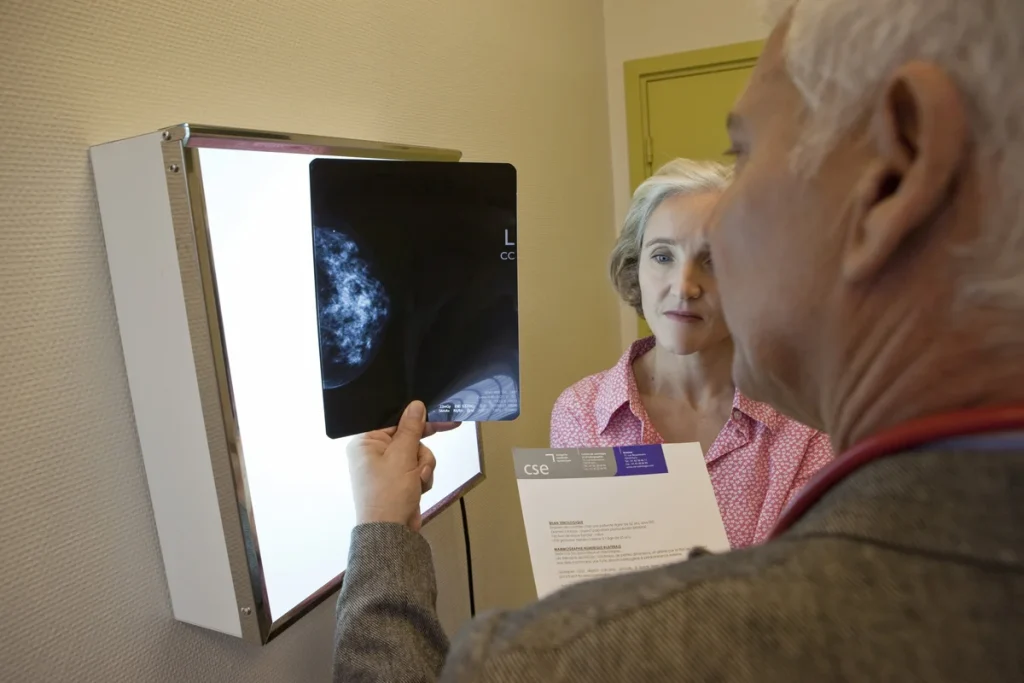
Imagine a spouse who knows mammograms and other screenings matter, but keeps postponing the call because the calendar already feels full. A checklist helps narrow the job: confirm what is due, bring family history to the next visit, ask what still makes sense at this age, and get help organizing follow-up if needed.
Or imagine an older adult who wants to stay proactive but has started missing pieces of the routine. In that case, prevention may depend less on motivation and more on support. A community setting with built-in wellness routines and care coordination can make it easier to stay on track.