














TL;DR
National Nutrition Month is a great time to refresh your everyday meals with options that are satisfying, simple, and nourishing. The six healthy recipes for seniors below are designed to support whole-person wellness: steady energy, strength, heart health, and brain health.
They also work well for meal prep, so you can spend less time cooking and more time doing what makes you feel like you.
- What you’ll learn:
- What matters most for nutrition as we age (and how to keep it practical).
- How to build balanced meals using easy visual cues.
- Six senior-friendly recipes with simple swaps and make-ahead tips.
Why National Nutrition Month matters for healthy aging
As we age, our bodies change. Appetite can shift. Taste can change. Some people need more protein to support muscle and strength. Others need more fiber and hydration to feel their best. The goal is not perfection. The goal is steadier, easier nourishment you can actually keep up with.
The National Institute on Aging recommends a balanced pattern that includes a variety of foods from each food group. That approach supports healthy aging and can reduce risk factors for conditions like high blood pressure and heart disease.
For a simple visual guide, MyPlate’s resources for older adults can help you plan meals that include fruits, vegetables, whole grains, and protein without overthinking it.
A simple way to build a balanced plate
If you like clear structure, here is a helpful approach you can use at home or when scanning a menu:
- Half your plate: colorful vegetables and fruit.
- One quarter: protein (fish, beans, eggs, yogurt, chicken, tofu).
- One quarter: whole grains or starchy vegetables (oats, quinoa, brown rice, sweet potato).
- Add healthy fats: olive oil, nuts, seeds, avocado, as fits your preferences.
This is also a good way to spot small upgrades. If a meal is mostly starch, you can add protein. If a meal is mostly protein, you can add vegetables and fiber.
6 healthy recipes for seniors to try this month
These recipes are designed to be practical. They use familiar ingredients, avoid complicated steps, and include gentle options if chewing or digestion is a concern. Each recipe includes a quick “why it works,” plus easy swaps and make-ahead notes.
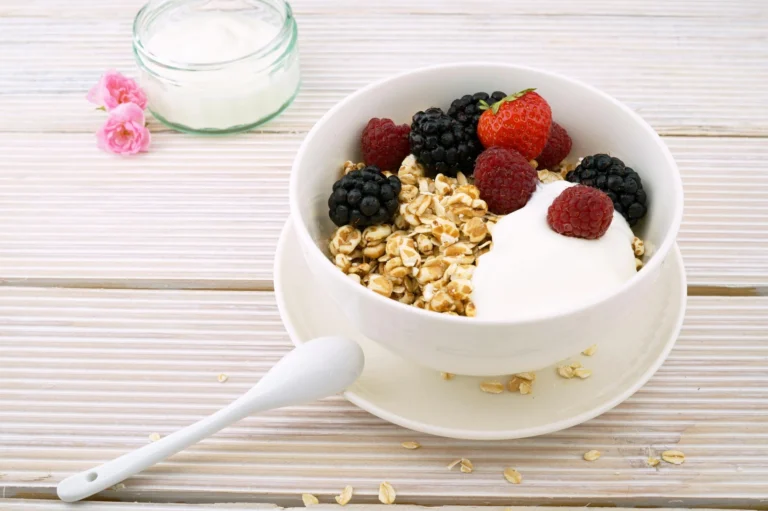
1. Overnight Oatmeal with Berries and Almonds
Why it works: Oats provide fiber for digestive health and steady energy. Berries add flavor and antioxidants. Yogurt and nuts add protein and healthy fats for a more satisfying breakfast.
Servings: 1 (easy to scale up)
Prep time: 10 minutes
Cook time: No cooking
Ingredients
- 1/2 cup rolled oats
- 1/2 cup milk or unsweetened milk alternative
- 1/3 cup plain Greek yogurt (or lactose-free yogurt)
- 1/2 cup berries (fresh or frozen)
- 1–2 tablespoons sliced almonds
- Optional: cinnamon, vanilla, or a small drizzle of maple syrup
Directions
- In a jar or container, stir oats, milk, and yogurt until combined.
- Fold in berries. Cover and refrigerate overnight.
- In the morning, top with almonds and any optional flavorings.
- Easy swaps and adjustments
- Softer texture: let oats sit 12–24 hours so they soften more.
- Lower added sugar: use cinnamon and vanilla instead of sweeteners.
- Higher protein: add 1 tablespoon chia seeds or an extra spoonful of yogurt.
- Make-ahead tip
- Make 2–3 jars at once. Keep refrigerated and use within 3 days for best texture.
Recipe inspiration: MyPlate’s Overnight Oatmeal with Berries
2) Spinach and Feta Egg Muffins (Meal-Prep Breakfast Bites)
Why it works: Eggs are a straightforward protein source, which supports muscle and strength over time. Spinach adds nutrients. These are easy to reheat for a fast breakfast or snack.
Servings: 6 muffins (2–3 per serving)
Prep time: 10 minutes
Cook time: 18–22 minutes
Ingredients
- 6 large eggs
- 1 cup spinach, chopped (fresh or thawed frozen, squeezed dry)
- 1/3 cup crumbled feta
- 1/4 cup finely chopped onion (optional)
- 1/4 teaspoon black pepper
- Optional: 2 tablespoons milk for a softer texture
Directions
- Preheat oven to 350°F. Lightly grease a 6-cup muffin tin or use silicone liners.
- Whisk eggs (and milk if using). Stir in spinach, feta, onion, and pepper.
- Pour evenly into the muffin cups.
- Bake 18–22 minutes, until set. Cool for 5 minutes before removing.
- Easy swaps and adjustments
- Softer bite: add milk and bake on the lower end of the time range.
- Lower sodium: use reduced-sodium feta or use less feta and add herbs for flavor.
- More vegetables: add diced bell pepper or mushrooms (cook mushrooms first to reduce moisture).
- Make-ahead tip
- Refrigerate in a sealed container up to 4 days. Reheat 20–30 seconds in the microwave.
Recipe inspiration: EatingWell’s Muffin-Tin Spanakopita Omelets (spinach + feta concept)
3. Mediterranean Lentil Salad (Fiber + Protein, No Fuss)
Why it works: Lentils offer both fiber and protein, which can help you feel satisfied without heavy prep. Olive oil and vegetables support a heart-healthy pattern.
Servings: 4
Prep time: 15 minutes
Cook time: 20–25 minutes (if cooking lentils)
Ingredients
- 1 cup dry lentils (or 2 1/2 cups cooked lentils)
- 1 cup chopped cucumber
- 1 cup cherry tomatoes, halved
- 1/4 cup chopped parsley or basil
- 2 tablespoons olive oil
- 1–2 tablespoons red wine vinegar or lemon juice
- Optional: 1/4 cup olives, and/or a sprinkle of feta
Directions
- If using dry lentils, simmer in water until tender, then drain and cool.
- In a bowl, combine lentils, cucumber, tomatoes, and herbs.
- Whisk olive oil with vinegar or lemon juice. Toss with salad.
- Taste and adjust seasoning. Chill 15 minutes if you want a more blended flavor.
- Easy swaps and adjustments
- Softer texture: use red lentils or slightly overcook lentils for a gentler bite.
- More calories (if needed): add avocado or a handful of chopped nuts.
- Less acidity: use a little less vinegar and add lemon zest for flavor.
- Make-ahead tip
- This holds well for 2–3 days refrigerated. Keep dressing separate if you prefer crunchier vegetables.
Recipe inspiration: Oldways Greek Lentil Salad
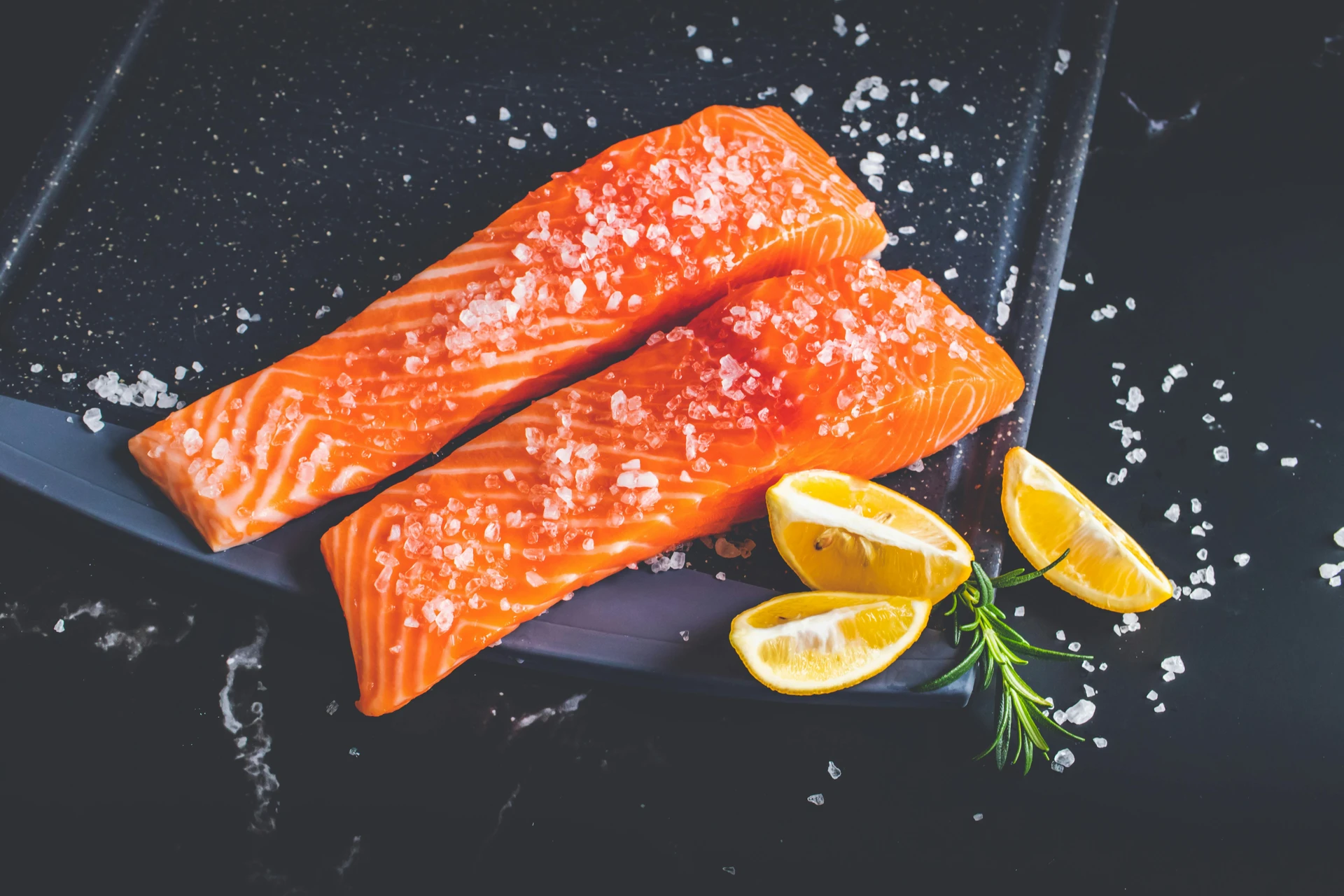
4. Baked Salmon with Lemon and Herbs
Why it works: Salmon is rich in omega-3 fatty acids, which are commonly included in heart-supportive eating patterns. This recipe is simple and flavorful without heavy sauces.
Servings: 2
Prep time: 10 minutes
Cook time: 12–15 minutes
Ingredients
- 2 salmon fillets
- 1 lemon (sliced or juiced)
- 1 tablespoon olive oil
- 1–2 teaspoons chopped fresh dill or parsley
- Black pepper to taste
- Optional: cucumber and red onion for a fresh topping
Directions
- Preheat oven to 375°F. Line a baking sheet with foil or parchment.
- Place salmon on the sheet. Drizzle with olive oil and lemon. Add herbs and pepper.
- Bake 12–15 minutes, until salmon flakes easily with a fork.
- Serve with vegetables and a whole grain, if desired.
- Easy swaps and adjustments
- Lower odor option: bake in a foil packet with lemon and herbs.
- Softer bite: flake salmon and mix with a little plain yogurt and dill as a salmon salad.
- No fresh herbs: use dried herbs (about one-third the amount).
- Make-ahead tip
- Bake extra salmon for tomorrow’s lunch salad or a simple grain bowl.
Recipe inspiration: American Heart Association baked salmon recipe
5. Quinoa and Black Bean Veggie Bowl (Easy Lunch Rotation)
Why it works: Quinoa and black beans bring protein and fiber together, which supports steady energy. This recipe also works well cold or warm, making it great for busy weeks.
Servings: 4–6
Prep time: 15 minutes
Cook time: 15–20 minutes
Ingredients
- 1 cup dry quinoa
- 1 can black beans, rinsed and drained
- 1 red bell pepper, diced
- 1/2 cup corn (fresh or frozen)
- 1/4 cup chopped cilantro (optional)
- 2 tablespoons olive oil
- Juice of 1 lime
- Optional: avocado, salsa, or plain Greek yogurt
Directions
- Cook quinoa according to package directions. Let cool slightly.
- In a bowl, combine quinoa, black beans, bell pepper, corn, and cilantro.
- Whisk olive oil and lime juice. Toss to combine.
- Serve as a bowl, or scoop into lettuce cups for a lighter option.
- Easy swaps and adjustments
- Softer texture: chop vegetables smaller or use roasted vegetables instead of raw.
- More protein: add shredded chicken or tofu.
- Gentler digestion: reduce raw onion and use roasted peppers instead.
- Make-ahead tip
- Refrigerate up to 3 days. Add avocado right before serving so it stays fresh.
Recipe inspiration: MyPlate Quinoa and Black Bean Salad

6. Yogurt Berry Parfait (Snack or Light Breakfast)
Why it works: Yogurt adds protein and calcium. Fruit adds fiber and flavor. This is a simple option when you want something quick but still balanced.
Servings: 4
Prep time: 10 minutes
Cook time: No cooking
Ingredients
- 2 cups low-fat or plain Greek yogurt (or lactose-free yogurt)
- 2 cups berries or sliced fruit
- 1 cup granola or toasted oats
- Optional: cinnamon or chopped nuts
Directions
- Layer yogurt, fruit, and granola in a bowl or jar.
- Repeat layers and serve immediately.
- If prepping ahead, keep granola separate until serving to maintain crunch.
- Easy swaps and adjustments
- Lower added sugar: choose plain yogurt and sweeten with fruit and cinnamon.
- Softer option: skip granola and use chopped nuts or softer oats instead.
- Higher calories (if needed): add nut butter or extra nuts.
- Make-ahead tip
- Make the yogurt-and-fruit base ahead. Add granola at the last moment.
Recipe inspiration: MyPlate Yogurt Berry Parfait
A few practical tips to make healthy eating easier
If you are a planner, the simplest strategy is to pick a few repeatable meals and rotate them. Consistency is more powerful than novelty. Here are a few practical tips that often help older adults:
- Keep a protein option ready (hard-boiled eggs, yogurt, beans, canned salmon).
- Build one “default breakfast” and repeat it 3–4 days a week.
- Make a double batch and freeze half (soups, cooked grains, baked items).
If appetite is lower, the Nutrition.gov older adults hub is a useful place to explore practical nutrition guidance and resources.
If you have a medical condition or are on medication that affects appetite or nutrition, it is smart to ask your clinician for personalized guidance.
How Assisted Living can support whole-person wellness

For proactive planners, the question is often not “Can I cook?” but “Do I want cooking and planning to take up this much time and energy?” Supportive community living can help reduce the everyday friction: shopping, meal prep, cleanup, and the decision fatigue of figuring out what’s next.
Elder Care Alliance Assisted Living communities provide support and wellness services for older adults who want to live as independently as possible with help when needed. For many residents, consistent meals and social connection around dining are a meaningful part of day-to-day quality of life.
If you want more ECA guidance on nutrition as we age, these articles are a good next read:
How nutritional needs change over time
Top nutrition tips for older adults
Ways to eat well as you get older