













Memory Care
-
Caregiving: The Differences Between Professional and Family Care

The main difference between professional caregiving and family caregiving is that professionals can offer dedicated medical assistance with blood draws, IVs, catheters, palliative/end-of-life care, and more. While family members have a close relationship with their loved ones, they volunteer their hours as caregivers while professionals are paid for their services. Continue Reading Caregiving: The Differences…
-
Don’t Forget To Exercise Your Brain

You don’t need special equipment or a phone app to exercise your brain. Incorporate these activities into your life to enjoy cognitive health benefits: playing games, listening to music, tending a garden, keeping a journal, and making art. Don’t forget to exercise regularly and eat a balanced diet focused on whole foods. Continue Reading Don’t…
-
Brain Food For Older Adults

Eating a balanced whole foods diet is the best way to protect your brain from cognitive decline. The top brain-healthy foods are dark leafy greens, walnuts, salmon, olive oil, and blueberries. Eating foods rich in omega-3 fatty acids is important for brain health. The caffeine in coffee and tea can help when consumed in moderation.…
-
Maintaining Brain Health

If you want to maintain a healthy brain far into the future, there are things you can do. Keep your mind sharp by exercising regularly, meeting up with friends, keeping up with your hobbies, learning a new skill or language, getting adequate sleep, and eating a balanced diet with fruits, vegetables, and foods rich in…
-
Best Dementia Exercises for Older Adults
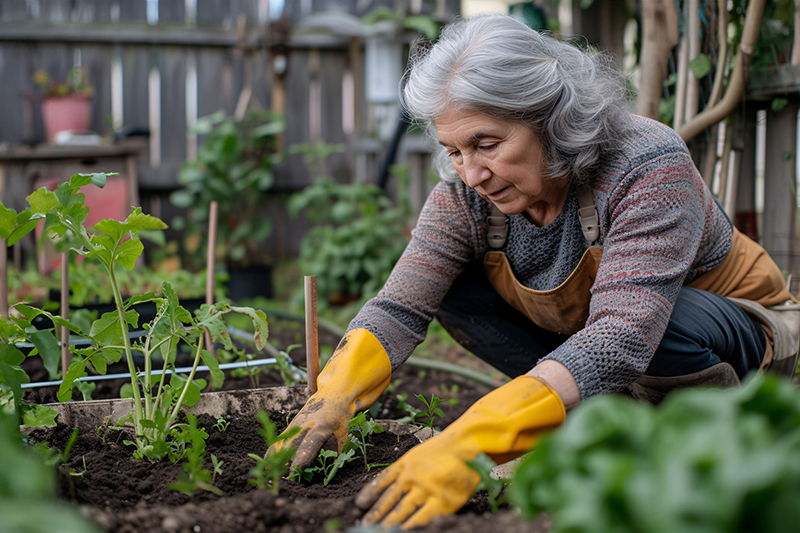
The best dementia exercises combine health benefits with safety. Encourage your loved one to sit in a chair while stretching to minimize the risk of falls or engage in moderate physical activity with them such as yoga, bicycling, swimming, and more. Always consider their abilities and interests when creating a dementia fitness plan. Continue Reading…
-
Questions To Ask Memory Care Facilities To Find the Right Fit for Your Loved One
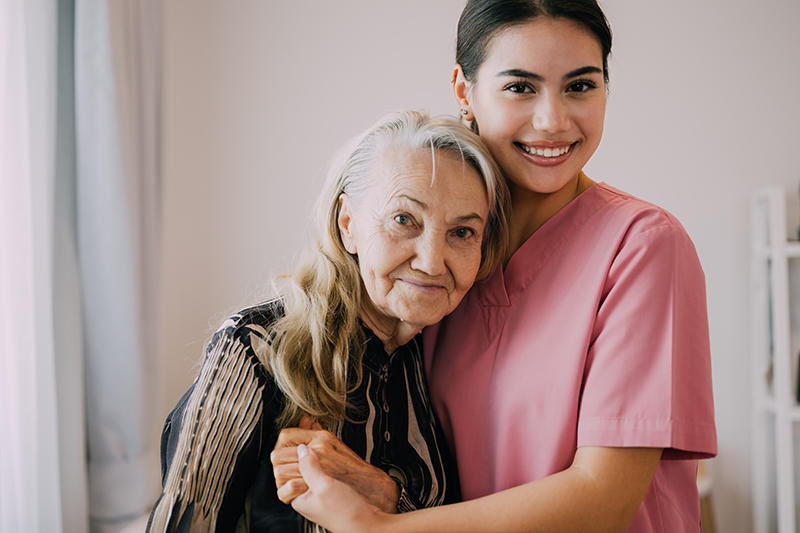
If you are caring for someone with dementia or Alzheimer’s, use this list of questions to ask memory care facilities to help you evaluate the assisted living options you have available. Inquire about medical services, personalized care, enriching activities and programs, meals, security, the philosophy of care, and more. Continue Reading Questions To Ask Memory…



Latest Posts
- A Lifetime of Teaching, Teamwork, Music, and Family: The Story of Rudy Zannini Jr.

- Daily Habits That Support Brain Health After 65

- Aging Successfully with Good Nutrition, Socialization and Exercise

- What Does It Mean to Choose a Nonprofit Senior Living Community?

- What a Typical Day Looks Like in Assisted Living

Categories
- AlmaVia of Camarillo
- AlmaVia of San Francisco
- AlmaVia of San Rafael
- Assisted Living
- COVID19
- Dining
- Elder Care Alliance
- Financial Planning
- Holistic Wellness
- Life Enrichment
- Memory Care
- Mercy Retirement & Care Center
- Philanthropy
- Press Releases
- Resident Spotlight
- Resources
- Senior Living
- Skilled Nursing
- Team Member Spotlight
- Uncategorized
- Villa at San Mateo