













TL;DR
Sun safety matters for older adults, but many families still make decisions based on outdated advice. Knowing what is true, what is overstated, and what support helps in real life can make time outdoors safer and more enjoyable.
What you’ll learn:
- Why sun exposure can affect older adults differently.
- Which common sun safety beliefs are myths, half-truths, or outdated habits.
- What practical sun safety tips for seniors look like day to day.
- How assisted living can support outdoor activity, routine, and wellness.
Sun Safety Tips For Seniors Start With The Right Facts
At Elder Care Alliance, we believe healthy aging includes time outdoors, movement, and connection. A supportive setting can make that easier. In our assisted living communities, residents can enjoy daily routines, social engagement, and wellness support while team members help reduce avoidable risks.
The challenge is that families often hear the same myths over and over: if it is cloudy, sunscreen does not matter; a little color means healthy skin; or shade alone is enough. These ideas can lead to missed prevention. Below are seven of the most common myths, along with a more useful way to think about outdoor wellness.
Myth 1: Sun safety only matters on very hot or very sunny days
This is one of the most common misunderstandings. Ultraviolet, or UV, rays can still reach your skin on cloudy days, and they reflect off surfaces like water, cement, and sand. The CDC notes that UV protection matters all year, not just in the middle of summer.
That means a mild Bay Area afternoon can still call for sunscreen, shade, and protective clothing. Families do not need to treat every outing as a major risk, but they do need to stop using temperature or cloud cover as the only guide. When the plan is to spend time outside, it is smart to think about skin protection before you leave.
Myth 2: Older adults do not need sunscreen as much as younger people
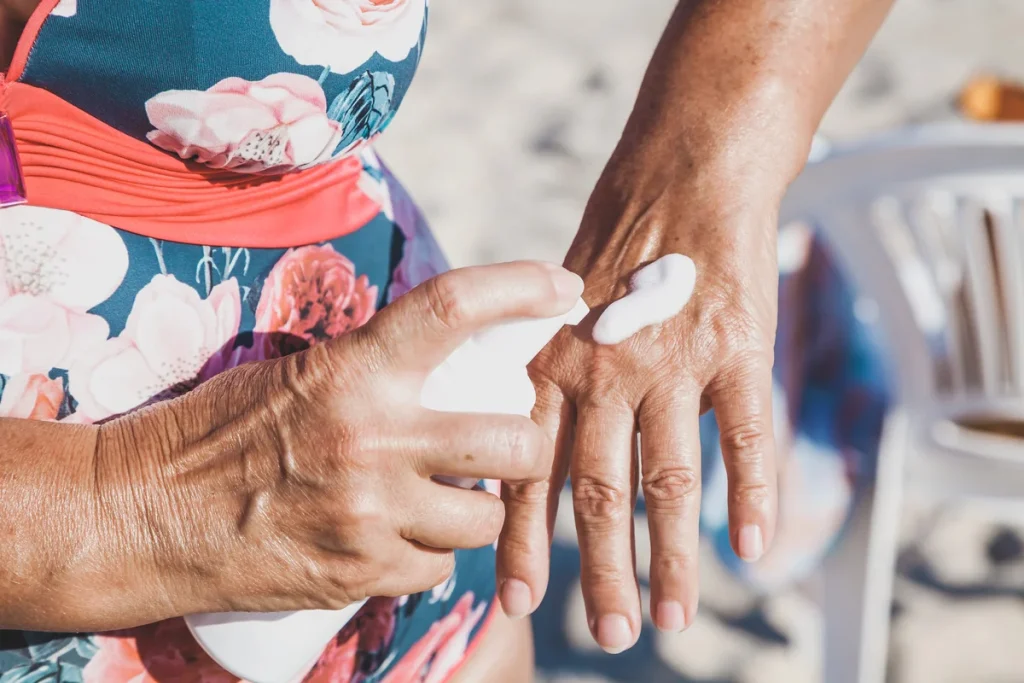
In reality, sun protection remains important later in life. Skin changes with age, and cumulative sun exposure adds up over decades. Mature skin may be drier, thinner, or more prone to irritation, which can make prevention feel more complicated, but not less necessary.
The better question is not whether sunscreen still matters. It is which routine is easier to stick with. A broad-spectrum sunscreen with SPF 30 or higher, plus shade and protective clothing, is a practical baseline. Families who want product guidance can start with our blog on the best sunscreen for mature skin.
Myth 3: A base tan protects you enough
A tan is often treated like a sign that your skin has adjusted. It has not. A tan is evidence that skin has already been damaged by UV exposure. It does not replace sunscreen or other protective steps.
This myth can be especially misleading for older adults who enjoy gardening, walking, or social time outdoors. A little color after a few days outside may look harmless, but it can encourage longer exposure and less protection. The safer mindset is simple: feeling comfortable outside should come from planning, not from assuming your skin has built protection on its own.
Myth 4: Shade does all the work
Shade helps, but it is only one part of a complete plan. UV rays can still reach you indirectly, especially when they bounce off nearby surfaces. A shaded patio, for example, may feel cooler while still allowing meaningful exposure.
A better routine layers protection. Think shade, a hat, lightweight clothing that covers the skin, and sunscreen on exposed areas. This kind of approach is much easier to maintain when daily life already includes support for planning outings, reminders, and comfortable outdoor spaces designed for older adults.
Myth 5: If you are only outside for a short time, protection is not necessary

Short outdoor windows still add up, especially when they happen every day. Walking to lunch, sitting on a patio, attending an activity, or waiting for transportation may not feel like much exposure in the moment, but these minutes can become a pattern across the week.
That is one reason routine matters. When sun safety becomes part of getting ready, like putting on shoes or bringing water, it is far easier to follow through. In a community that emphasizes life enrichment and daily wellness, these habits can feel normal instead of burdensome.
Myth 6: Sunscreen is the only thing you need
Sunscreen matters, but it is not a complete plan by itself. The American Academy of Dermatology recommends a broader strategy that includes shade, protective clothing, and reapplication when needed. Hot weather safety matters too, especially for older adults who may be more vulnerable to heat-related illness.
In practice, the best summer routine usually combines a few simple habits: plan outdoor time earlier in the day, wear a hat, use sunscreen on exposed skin, drink water, and take breaks indoors or in cooler areas. This is where environment matters. Supportive communities can make healthy habits easier by reducing the effort it takes to follow them consistently.
Myth 7: Sun safety takes away independence or enjoyment
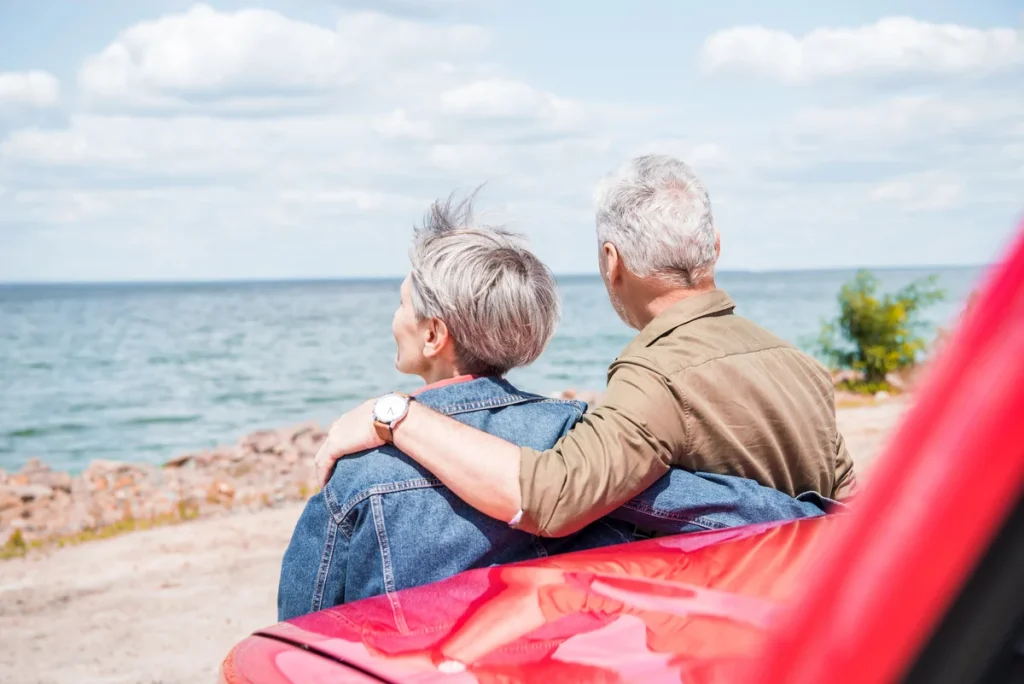
This is the myth that often sits underneath all the others. Some older adults worry that careful planning means giving something up. Families may also avoid raising the topic because they do not want to sound controlling.
In reality, the goal of sun safety is not restriction. It is confidence. When older adults have the right supports, they can keep enjoying walks, social events, garden spaces, and outdoor programs with fewer avoidable setbacks. That is one reason ECA focuses on wellness, daily choice, and meaningful activity. Protection should make life bigger, not smaller.
What Supportive Assisted Living Can Add
Families often think about sun safety as a personal habit only. But the environment around a person matters too. In assisted living, support with routines, hydration, medication awareness, and safer outdoor spaces can make healthy activity easier to sustain.
That does not mean every resident needs the same level of help. Many older adults are active and independent, but still benefit from a setting that removes friction. When sunscreen is easy to access, outdoor events are scheduled thoughtfully, and team members can notice when someone seems overheated or fatigued, everyday wellness becomes more realistic.
This can also help families feel more confident about quality of life. Outdoor connection is part of healthy aging. Our article on the health benefits of outdoor activities for seniors looks at why time outside can support physical, emotional, and social well-being when the setting is right.
Simple Sun Safety Tips For Seniors To Keep In Mind
A practical plan does not need to be complicated. Check the day’s heat and UV conditions. Choose morning or later afternoon time outside when possible. Wear a wide-brimmed hat and clothing that covers the skin lightly and comfortably. Use broad-spectrum SPF 30 or higher on exposed areas. Bring water. Reapply sunscreen when needed, especially after sweating. And pay attention to how you feel, not just how the weather looks.
For adult children, the most helpful move is often to make the conversation easy and respectful. Instead of warning or policing, ask what would make outdoor time feel more comfortable. A better hat. A shaded walking route. A sunscreen that feels lighter on the skin. Small adjustments can protect independence while lowering risk.
When It May Be Time To Ask For More Support
Sometimes sun safety concerns are really a sign of something broader. A parent may be forgetting basic routines, struggling with hydration, feeling unsteady outdoors, or becoming more isolated because activities feel harder to manage. Those are not just seasonal issues. They may point to a need for more day-to-day support.
If your family is starting to ask bigger questions about safety, routine, and quality of life, our Schedule a Visit page is a good next step. Seeing a community in person can make it much easier to picture how support, wellness, and independence can work together.